Youth accessing counseling, social-emotional support at Boys & Girls Clubs of Larimer County
Behavioral health tax-funded programs mean more children, teens can access care
Simply put, the behavioral health services provided by Boys & Girls Clubs of Larimer County are a “God-send” for Cassandra Schmidt and her family.
But nothing about life has been simple for the Loveland resident.
After raising two children with significant needs, she still juggles a busy care schedule for the now-adults. And like millions across the country, the sole provider is raising her two grandchildren, Ember, 8, and Declan, 7.
Schmidt got full custody of her grandchildren when Declan was one month old. Their biological parent was in and out of the picture for the first several years of their lives, and struggled with their own mental health and substance-use challenges.
It was emotional whiplash for Ember, who became distraught when their parent would leave and leveled out upon their sporadic returns.
Ember benefited from private therapy for about six months until, like so many, there was an interruption in care outside of their control. Schmidt, a full-time MRI technician, couldn’t find providers who accepted Medicaid, were taking new patients, and had appointments that fit into their Tetris-like work and school schedules.
“I was hitting brick walls,” she said.
It was around this time that Boys & Girls Clubs of Larimer County started offering free behavioral health services at its Clubs, to reach youth who may otherwise seek or have access to care due to challenges such as finances or transportation. The services are made possible, in part, by Larimer County Behavioral Health Services grant funds, and include one-on-one counseling sessions, social-emotional learning groups, and trauma-informed training for staff.
Fast forward three years, and Ember and Declan are thriving in talk- and play-based therapy at their Club at a Loveland elementary school. They feel safe and can share what they’re experiencing without judgement, Schmidt said. Most importantly, the Club staff have been compassionate and consistent.
“It’s been a huge tool for the children to be able to have an outlet for themselves for their history and background,” Schmidt said, noting that Ember looks forward to her sessions and is doing better at home and in school.
“I can’t even imagine where behavioral wise or emotional wise she would be if we didn’t have that,” Schmidt said.
Trauma-Informed Practices in Club
Executive Vice President and Chief Operations Officer Lorraine Orr wrote in 2021 that Boys & Girls Clubs of America was “infusing a trauma-informed approach across everything we do as we work to ensure every young person reaches their full potential.” It was – and still is – a significant cultural shift for what is one of the nation’s largest youth development organizations.
Boys & Girls Club staff, who serve roughly 4 million children and teens, collectively committed to addressing, not ignoring, youth trauma – related to illness, death, divorce, poverty, racism, food insecurity, mental health, and life’s many hardships.
“All these things cause trauma, prevalent and wide-reaching trauma. And if any of our amazing kids carry these issues into Club with them, it is both our privilege and our responsibility to know what their needs are and to meet them to the best of our abilities,” Orr said.
Vastly oversimplified, a person trained in trauma-informed practices approaches their care or services with awareness that a child who is acting out is one who needs compassion, a safe space to be heard, and opportunities to learn from their mistakes. Those who have experienced trauma are often lacking in safety and trust, so the adult knows to respond in a way that nurtures those two things.
They look at the child through a trauma-informed lens, as opposed to one that portrays them as a “bad kid” who just needs discipline.
It is an “ever-evolving learning experience and challenge,” said Jamie Chittim, the club director at Lincoln Elementary School in Loveland. “It’s about slowing yourself down and changing that mindset versus reacting.”
Christine Cunningham is a licensed clinical social worker (LCSW) and director of the behavioral health team for Boys & Girls Clubs of Larimer County. Although she credits the team as a whole, her colleagues celebrate Cunningham and another former co-worker for bringing trauma-informed practices to life at the long-standing community nonprofit.
Over the years, Boys & Girls Clubs of Larimer County has become a nationally recognized and award-winning leader in this space. Following rigorous evaluation and selection processes, the team has hosted two multi-day training events for the entire southwest region of Boys & Girls Clubs of America, empowering teams from Colorado and beyond to learn and nurture these skills.
Casey Morris Wadsack, director of Trauma-Informed Practice with Boys & Girls Clubs of America, was at the 2025 training in Loveland, called
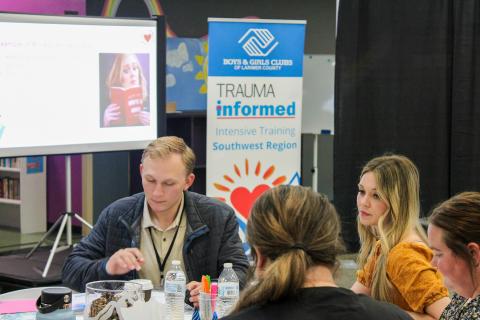
Walking into Lincoln Elementary School’s Club, Morris saw Chittim lying on the floor next to a Club member who was emotionally dysregulated. They asked if Morris wanted to go somewhere else until the situation was resolved, but she said this was exactly where she needed to be.
Chittim stayed on the floor with the student, talking quietly, for almost an hour. She met them where they were at. Acknowledged how they felt. Gave them time to respond, and built trust. Through all of that, the student was able to regulate and continue on with their afternoon activities.
These days, Chittim said, students have so much to navigate, from bullying and post-pandemic anxiety to social media and school violence.
“I think trauma-informed practices are even more needed to help us get through those things and help us cope,” said Chittim, who wishes her middle and high school teachers had these skills to support her through painful experiences.
Your Larimer County Tax Dollars at Work
Since the Impact Fund Grant Program started, thanks to voter approval of Larimer County’s dedicated, 20-year behavioral health tax, Boys & Girls Clubs of Larimer County has received eight annual grants totaling $451,180. They have supported youth at all 10 Club sites in Larimer County through suicide prevention education, behavioral health support at summer programming, Club-integrated behavioral health care during the school year, and more.
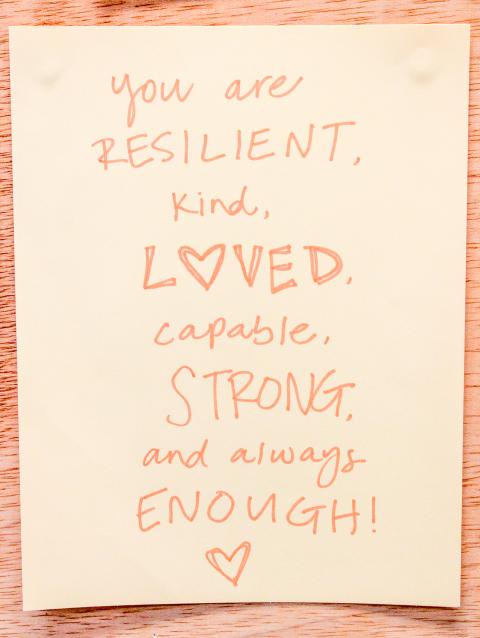
During the 2024 grant cycle, Boys & Girls Clubs of Larimer County used its $95,000 grant to provide over 300 one-on-one therapy sessions for free. The average community cost for such care ranges from $100 to $150 per session and is out of reach for many families. The team also exceeded its goals for Social Emotional Learning (SEL) group sessions across all 10 Club locations.
According to National Youth Outcomes survey data for 2025, 94% of youth the organization serves reported feeling safe at Club; 93% of youth reported that adults here listen and understand what I have to say; and 91% of youth report feeling prepared to take care of their health and well-being. Many youth also reported that they can manage how they feel when they are upset, think ahead about consequences before making decisions, and know ways to calm themselves down.
When Kiara Redmond first heard “trauma-informed practices,” it didn’t have a lot of meaning. As she went through training and saw its benefits, however, it transformed her personal and professional relationships.
Redmond started with Boys & Girls Clubs of Larimer County about three years ago working with youth members in the Clubs. She is now the organization’s human resources manager and applies her trauma-informed training to work with her adult colleagues.
“I’m getting to be a better person because of it.”
In their own words, Schmidt, Cunningham, Chittim and Redmond each expressed their appreciation for Larimer County voters and the behavioral health tax.
“To me, it means a brighter future,” Redmond said. “I am here at the Boys & Girls Clubs of Larimer County because I support our mission to create responsible, caring citizens. Knowing that behavioral health is valued in our community is empowering. It’s comforting to know that it’s a community value.”
“It changes lives forever,” Cunningham echoed.
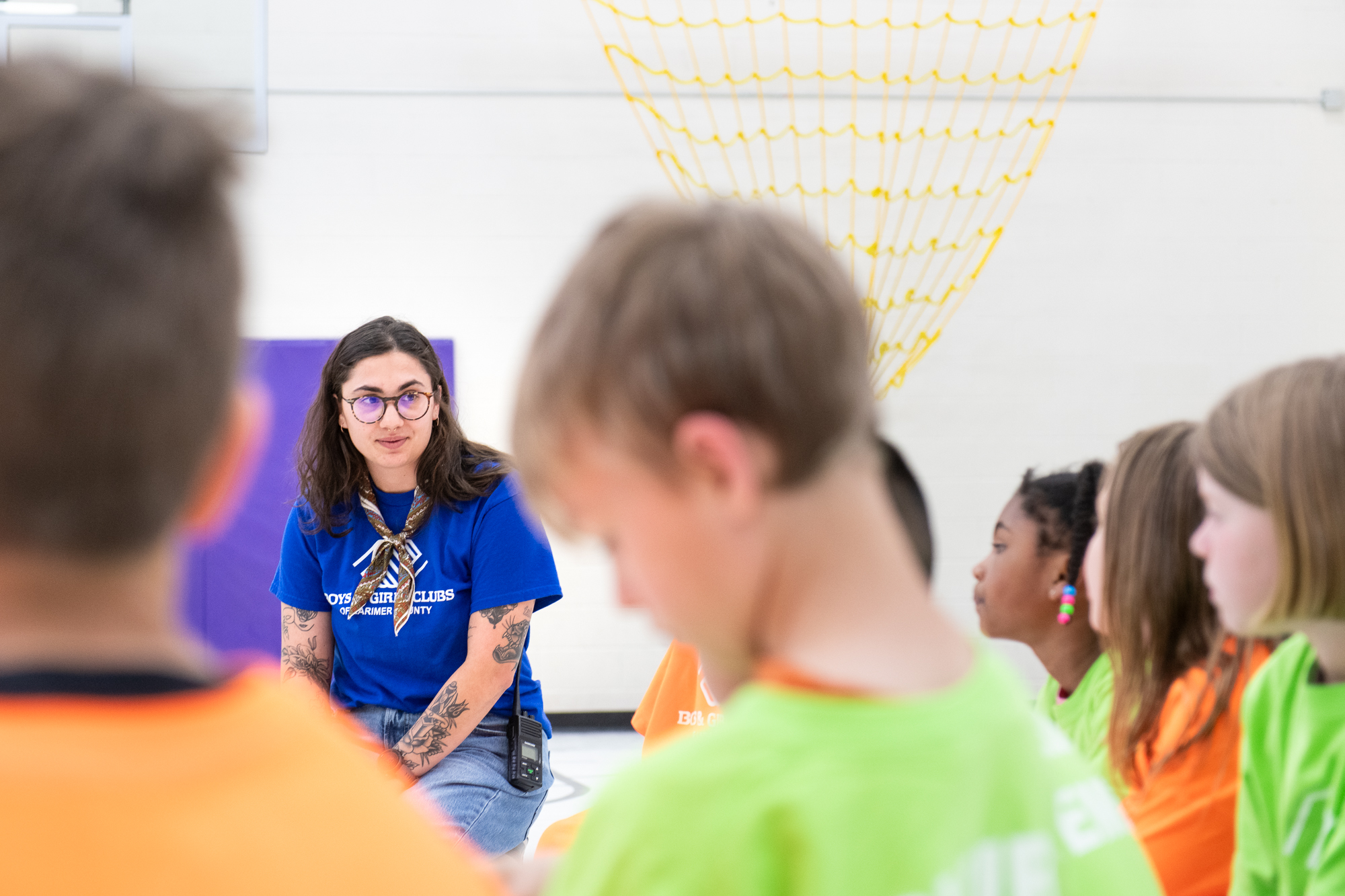
2025 Impact Fund Grant
Boys & Girls Clubs of Larimer County (BGCLC) ($100,000)
2025 Impact Fund Grant
BGCLC reaches over 2,500 youth annually through trauma-informed programming and daily interactions with trained staff. This comprehensive support includes weekly Social Emotional Learning (SEL) groups at all 10 Clubs to help youth build healthy relationships and manage emotions. The award-winning Behavioral Health Team also provides over 300 one-on-one counseling sessions annually for youth with higher-level needs. Families consistently rank behavioral health programming as the most important and impactful offered by BGCLC. Visit the website.

