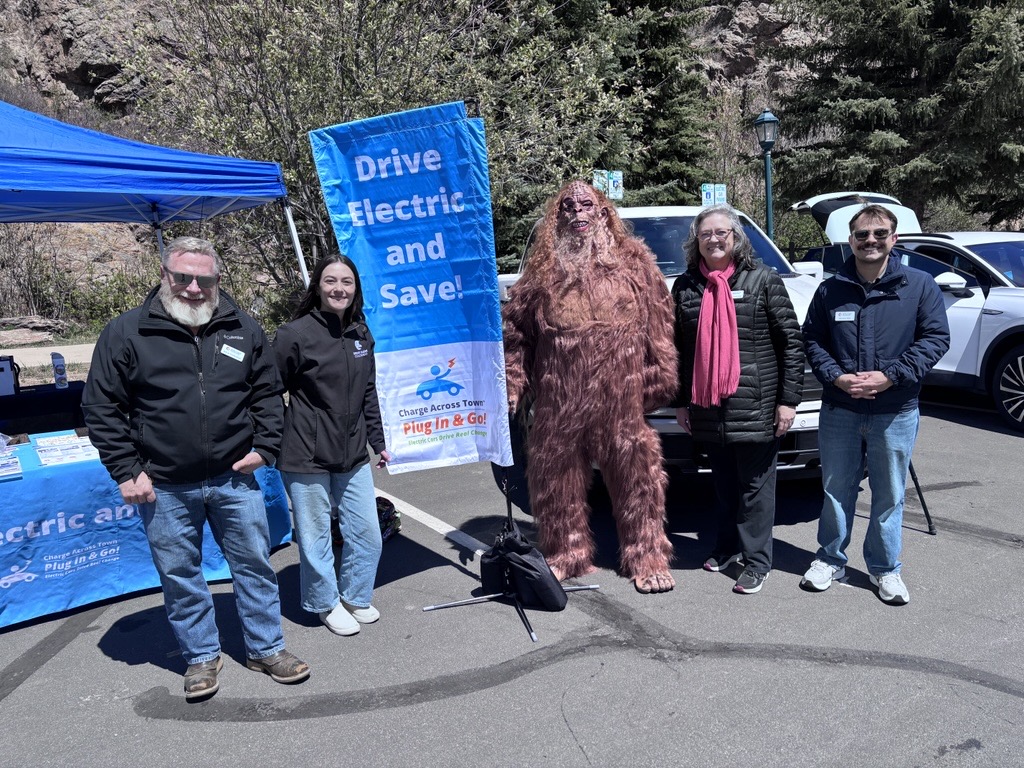
Driving a Clean Northern Colorado
This quarter, we are highlighting Drive Clean Colorado and their role in Climate Smart Future Ready (CSFR). Find out more through the Q&A with Desiree Moore, a Program Manager and ReCharge Coach.

What is Drive Clean Colorado and your role there?
Drive Clean Colorado is a nonprofit organization dedicated to accelerating clean transportation in Colorado. We work with communities, businesses, fleets, utilities, and government agencies to advance the adoption of electric vehicles and alternative fuels that improve air quality, reduce transportation costs, and support Colorado's sustainability goals.
As the Northern Colorado Program Manager, I work with local governments, businesses, community organizations, and regional partners to support transportation electrification efforts. My role includes stakeholder engagement, technical assistance, educational outreach, and helping communities identify transportation solutions that meet their unique needs.
What progress are you most proud of so far, big or small?
One of the accomplishments I'm most proud of is the growing collaboration we've built among communities, businesses, utilities, and local governments across Colorado. Transportation challenges cannot be solved by a single organization, and we've seen meaningful progress when stakeholders come together to identify shared goals and practical solutions.
I'm also proud of the work we've done to help communities move from learning about transportation electrification to actively planning for and implementing projects. Whether it's supporting fleets, charging infrastructure planning, community engagement events, or regional projects, each step helps create momentum toward a cleaner and more efficient transportation system.
What is your team currently working on related to CSFR?
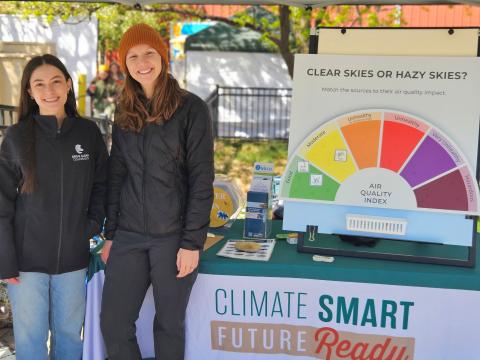
Our team is supporting Climate Smart Future Ready (CSFR) by focusing efforts on increasing charging station infrastructure for large employers and multifamily housing complexes.
We are connecting communities with experienced local resources, technical assistance, and funding opportunities to allow for a smoother transition. Through outreach, planning efforts, and stakeholder engagement, we're working to ensure transportation solutions align with local needs while supporting broader sustainability and resilience goals.
What’s next for your team as CSFR continues to move forward?
As the CSFR program continues implementation, our focus will be on helping communities turn ideas into action. This includes supporting charging infrastructure planning and deployment, assisting fleets with evaluating electric vehicle options, expanding community education efforts, and connecting stakeholders with funding opportunities and resources through programs like ReCharge Colorado.
We will continue building partnerships to identify projects that improve transportation efficiency, reduce emissions, and meet local needs. By maintaining these conversations and supporting implementation efforts, we hope to help communities make meaningful and lasting progress toward a cleaner, more resilient transportation future.
Who are some of the key partners you are working with, or hope to work with?
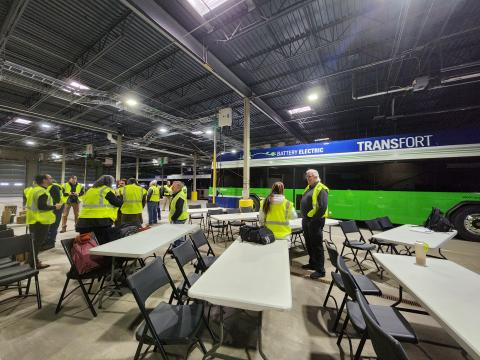
Our work relies on collaboration with a wide range of partners, including local governments, utilities, fleet operators, educational institutions, community organizations, and private-sector businesses. In Larimer County, we work closely with partners such as the City of Fort Collins, the City of Loveland, the Town of Estes Park, Platte River Power Authority, Colorado State University, and local businesses like Enertech, which owns and operates charging stations throughout the region.
Through CSFR, we're excited to engage additional stakeholders in spaces such as economic development, housing, freight, and community planning. Bringing diverse perspectives to the table helps create solutions that are effective, sustainable, and responsive to community needs.
Why does this work matter to the community, and how do you hope people experience its benefits?
Transportation affects nearly every aspect of daily life, from how people travel to work and school to how goods and services move throughout a community. Supporting cleaner transportation options can improve air quality, reduce operating costs, increase energy resilience, and create new economic opportunities.
I hope community members experience the benefits through tangible improvements such as cleaner air, expanded transportation choices, increased access to charging infrastructure, and cost savings for businesses and fleets. Ultimately, this work is about helping create healthier, more sustainable, and more resilient communities that are prepared for future growth and change.