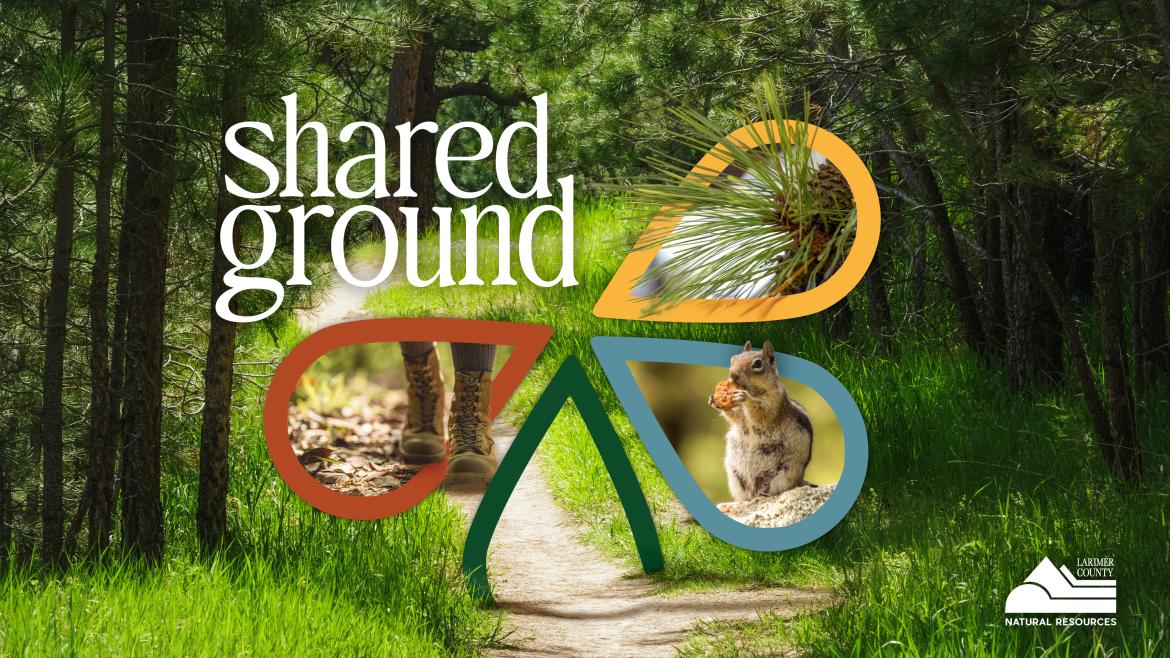
This land takes care of a lot of us.
People, wildlife, and native plants all depend on the same ground here in Larimer County. Shared Ground is about understanding what that means, and doing our part to keep public land working for everyone.
What is Shared Ground?
Larimer County's parks and open spaces hold more than trails. They're shared by the people who visit them, and by deer, snakes, wildflowers, and birds that depend on this same ground.
Shared Ground is Larimer County Department of Natural Resources' effort to keep all of that in view when we plan and build trails. Trails work when we build them together, on purpose, with everyone who depends on this land in mind.
- Wildlife — The neighbors who live here, seen and unseen.
- Erosion & Land — What happens to the ground itself when a trail isn't planned, but is built anyway.
- Ecology & Rare Species — The plants that hold this landscape together, some found nowhere else on Earth.
- Community & Access — How you experience this land, and how you help shape what comes next.

Who else lives here?
Before a trail is a shortcut or a workout, it's someone else's home. Here are a few of our neighbors.
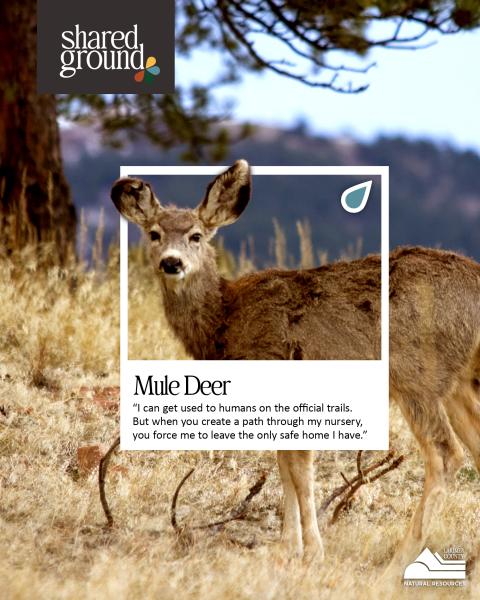
Mule Deer
Every spring, quiet stretches of hillside become nurseries for new fawns. Deer get used to people on official trails. It's the unexpected paths, cut with no warning, that force them to move their babies somewhere less safe.
"I can get used to humans on the official trails. But when you create a path through my nursery, you force me to leave the only safe home I have."
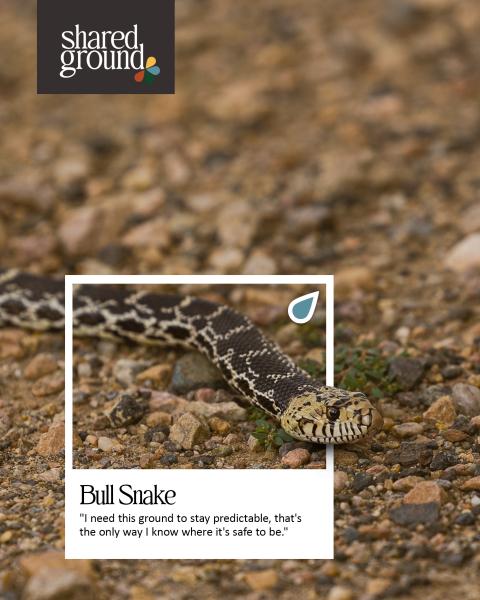
Bull Snake & Rattlesnake
Not the neighbors most people root for, but they keep rodent populations in check from tucked-away spots in the rocks and tall grass. A new trail through their hunting grounds means more stressful, sometimes dangerous, run-ins for everyone.
"I need this ground to stay predictable, that's the only way I know where it's safe to be."
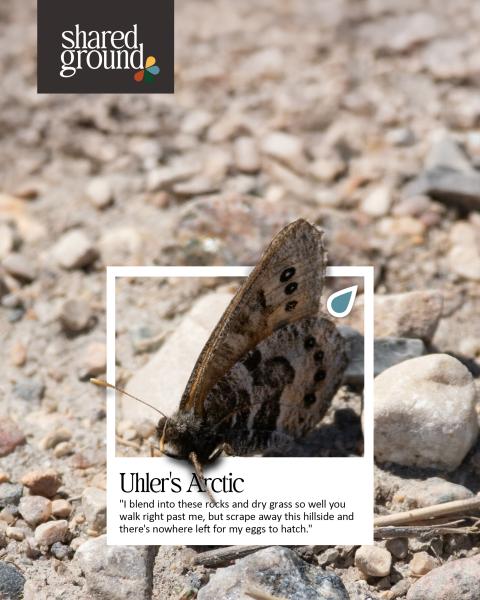
Uhler's Arctic Butterfly
Camouflaged against rock and dry grass, this native butterfly lays its eggs directly in the soil of foothills meadows. A trail cut through the wrong meadow can wipe out a whole generation before anyone notices it was there.
"I blend into these rocks and dry grass so well you walk right past me, but scrape away this hillside and there's nowhere left for my eggs to hatch."

What it costs when we get it wrong
A new, unplanned trail doesn't just add a line to a map. It sets off a chain reaction.
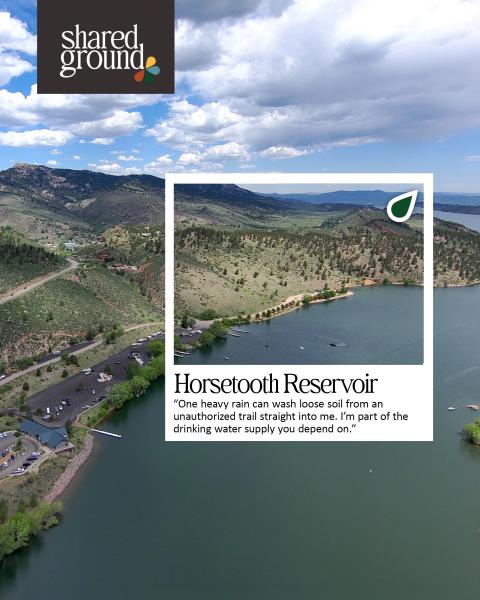
Water
Official trails are built with a slope and shape that sends rain off to the side. An unplanned trail doesn't have that, so a heavy rainstorm can carry loose soil straight toward Horsetooth Reservoir, which Larimer County relies on for drinking water.
“One heavy rain can wash loose soil from an unauthorized trail straight into me. I’m part of the drinking water supply you depend on.”
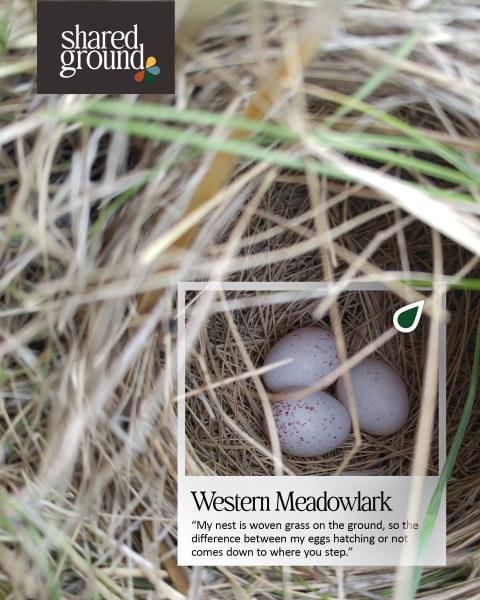
Habitat
Every one of our neighbors loses a little ground, a little safety, or a little food source every time a new path appears where there wasn't supposed to be one.
“My nest is woven grass on the ground, so the difference between my eggs hatching or not comes down to where you step.”
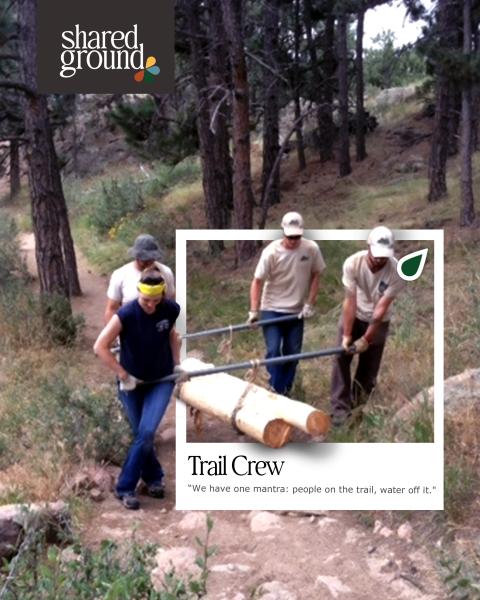
Time and resources
Closing and restoring a single unplanned trail takes staff time, materials, and real effort: hours and dollars that could otherwise go toward maintaining designated trails that benefit everyone.
“We have one mantra: people on the trail, water off it.”

The land beneath the trail & those who depend on it
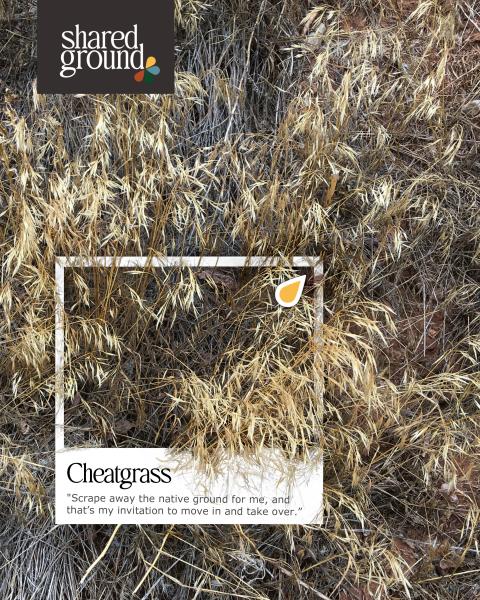
Invasive, non-native species
Weeds
Bare, scraped ground doesn't stay bare. Cheatgrass and other invasive weeds move in fast, and they spread outward from that one disturbed patch into everything around it, crowding out the native plants deer, birds, and pollinators depend on.
“Scrape away the native ground for me, and that’s my invitation to move in and take over.”
Erosion control
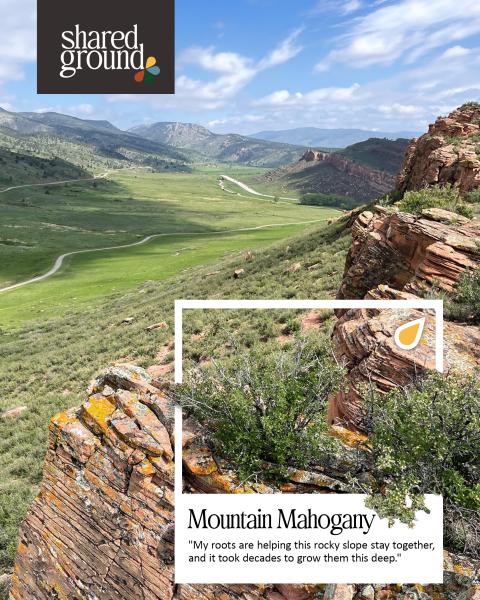
Mountain Mahogany
A slow-growing shrub that anchors these rocky slopes and feeds deer all winter. It can take decades to grow back if it's crushed. Once it's gone, the hillside it was holding together starts to slide.
“My roots are helping this rocky slope stay together, and it took decades to grow them this deep.”
Imperiled species
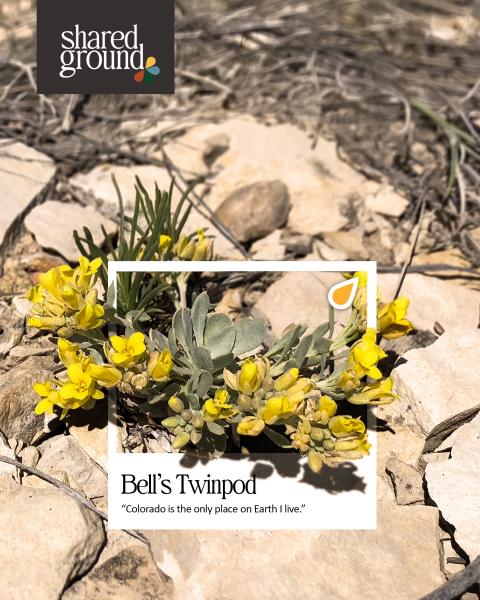
Bell's Twinpod
This small yellow wildflower grows in the cracked hogback soil of the Front Range, and nowhere else on Earth. There's no "somewhere else" for this one to relocate to.
“Colorado is the only place on Earth I live.”

Trails last when the people who use them help plan them.
Multiple use
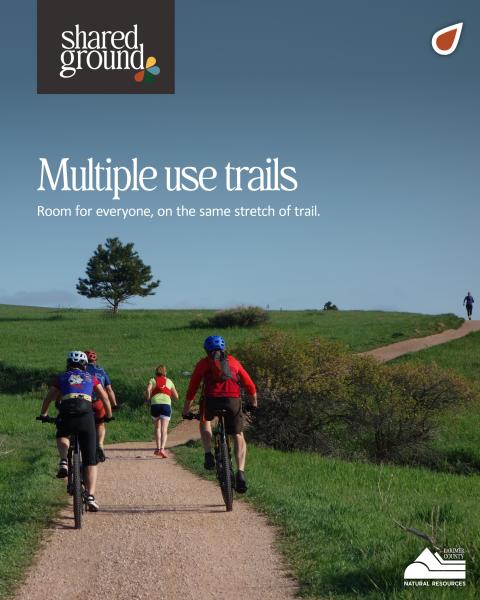
Sharing this ground means building it wide enough, and smart enough, for all of us.
Hikers, runners, cyclists, and equestrians…bird watchers, artists, and geocachers - you name it, we all move through these spaces together for many different reasons. A well-planned trail is what makes that work. Clear, predictable routes also help emergency responders find their way quickly when someone needs help.
Volunteer engagement
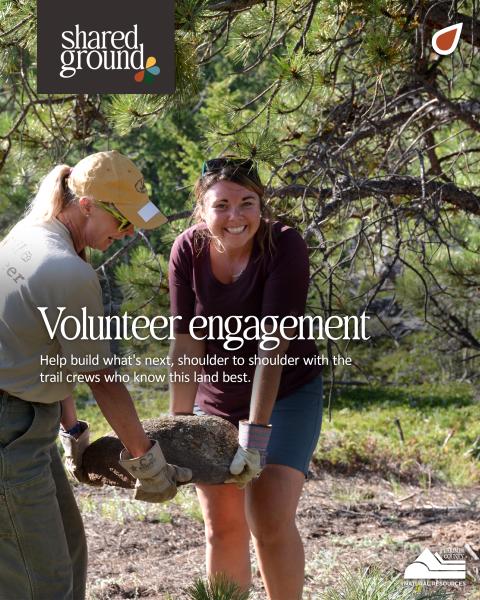
Give this land a hand.
Volunteer days put you shoulder to shoulder with our trail crews on authorized permitted projects for building, restoring, and maintaining the resource. A critical part of the public planning process that keeps every trail here official...and open for many users.
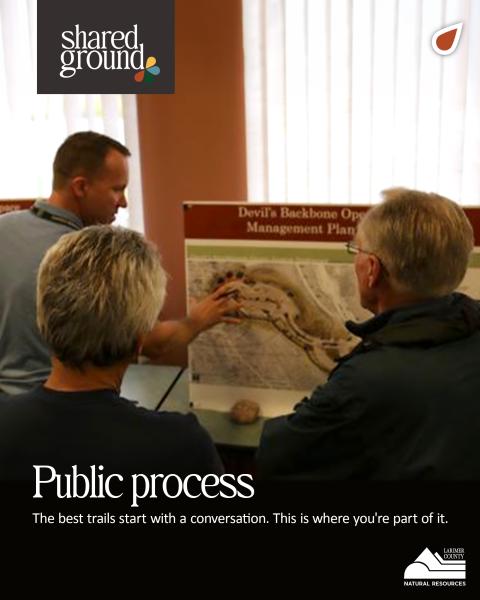
Public process
You get a chance to shape an experience before it comes to life.
Community meetings, surveys, and feedback forms all feed directly into public land management planning, especially as the 2027 Parks and Open Spaces Master Plan process gets underway. Your input happens before anything is finalized, not after.
Ways to get involved now:
We ask that you consider sharing in this commitment to our shared ground. Your digital pledge will help demonstrate our community's collective commitment to the land, the wildlife, and to each other.
- Take the pledge below to stay on designated trails.
- Share your feedback as part of the 2027 Parks and Open Spaces Master Plan.
- Volunteer for a trail restoration day or litter clean up on National Public Lands Day Sept. 26.
- Check COTREX or trailhead signage before you head out, to confirm a route is legitimate.
A few quick questions
What happens to trails that already exist without authorization?
It is our goal to close and restore them, no matter how naturally they formed or how well they were built. If a trail wasn't planned there, that spot needed to stay undisturbed, for wildlife, water, or safety reasons.
Does one trail really make that much difference?
But a stretch that fragments an undisturbed valley, reroutes rainfall or crosses a nesting area can matter a great deal to the plants and animals living there.
Doesn't closing a trail cost more than just leaving it alone?
Restoration takes time and materials, but an unplanned trail carries its own costs too, in washed-out soil and disturbed habitat. We'd rather spend that effort on trails built to last for the most community members.
This is public land. Shouldn't the public get more say, without so much process?
We agree, and that's the point of the public process. Public input is the first step, not a formality added at the end, and it's what makes sure this land works for a wide range of uses.
